Active Listening Techniques Inspired by Carl Rogers

Updated: 25 minutes ago
Active listening is a powerful communication skill that can transform conversations and relationships. Inspired by the work of psychologist Carl Rogers, this technique emphasizes understanding, empathy, and genuine engagement. In this blog post, we will explore various active listening techniques, their importance, and practical examples to help you implement them in your daily interactions.

Understanding Active Listening
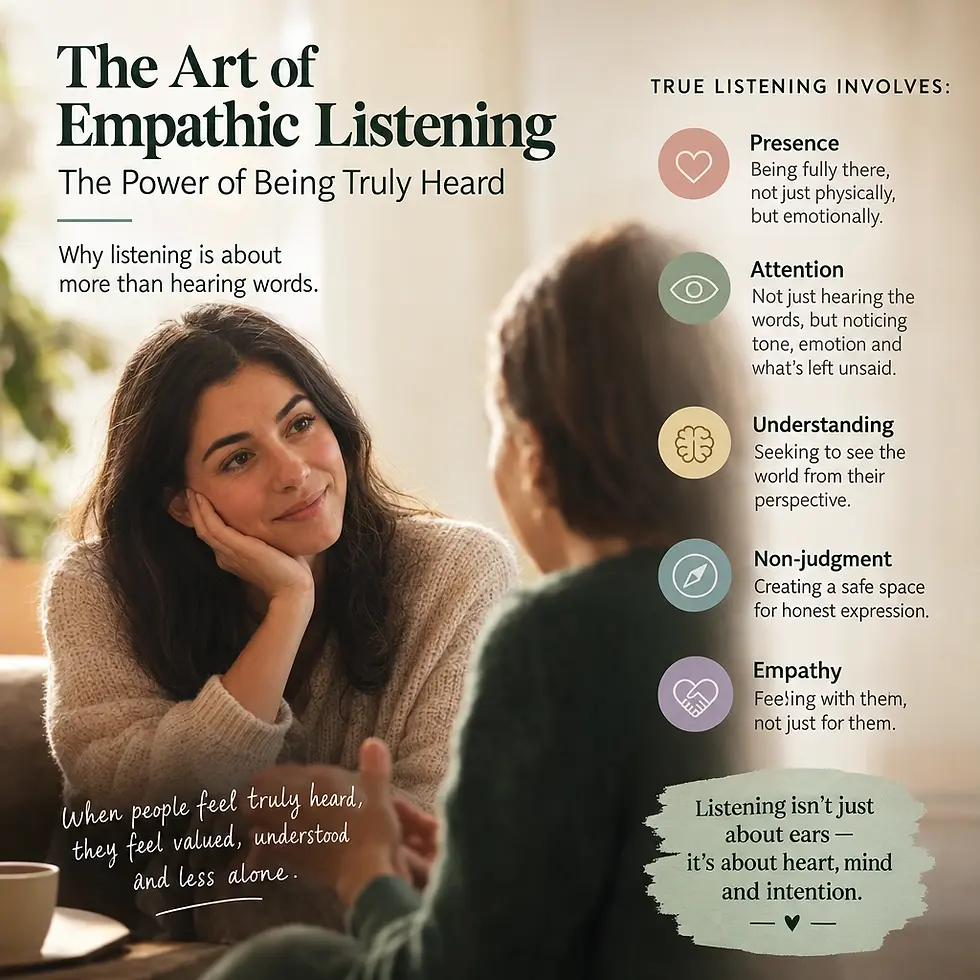
Active listening goes beyond simply hearing words. It involves fully concentrating, understanding, responding, and remembering what is being said. This technique fosters a deeper connection between individuals and encourages open communication.
The Importance of Active Listening
Builds Trust
When you actively listen, you show respect for the speaker's thoughts and feelings. This builds trust and encourages them to share more openly.
Enhances Understanding
Active listening helps clarify misunderstandings and ensures that both parties are on the same page. This is particularly important in conflict resolution.
Promotes Empathy
By truly hearing what someone is saying, you can better understand their perspective and emotions, fostering empathy and compassion.
Encourages Engagement
When people feel heard, they are more likely to engage in meaningful conversations and share their ideas and feelings.
Key Techniques for Active Listening
1. Reflective Listening
Reflective listening involves paraphrasing or summarizing what the speaker has said. This technique shows that you are paying attention and helps clarify any misunderstandings.
Example:
If a friend says, "I feel overwhelmed with work and personal commitments," you might respond, "It sounds like you're feeling stressed with everything on your plate."
2. Open-Ended Questions
Asking open-ended questions encourages the speaker to elaborate on their thoughts and feelings. This technique invites deeper conversation and shows that you are interested in their perspective.
Example:
Instead of asking, "Did you enjoy the event?" you could ask, "What did you think about the event?"
3. Nonverbal Cues
Your body language, facial expressions, and eye contact play a significant role in active listening. Nonverbal cues can convey your attentiveness and interest in the conversation.
Tips for Nonverbal Communication:
Maintain eye contact to show engagement.
Nod occasionally to indicate understanding.
Use an open posture to invite conversation.
4. Avoiding Interruptions
Interrupting can signal that you are not fully engaged in the conversation. Allow the speaker to finish their thoughts before responding. This demonstrates respect and encourages them to share more.
Example:
If someone is sharing a personal story, resist the urge to jump in with your own experiences until they have finished.
5. Empathetic Responses
Responding with empathy involves acknowledging the speaker's feelings and validating their experiences. This technique fosters a deeper emotional connection.
Example:
If a colleague expresses frustration about a project, you might say, "I can see how that would be really frustrating for you."
Practical Applications of Active Listening
In Personal Relationships
Active listening can significantly improve personal relationships. By practicing these techniques, you can create a safe space for your loved ones to express themselves.
Example:
During a disagreement with a partner, use reflective listening to summarize their points before sharing your own perspective. This approach can help de-escalate tensions and foster understanding.
In Professional Settings
In the workplace, active listening can enhance collaboration and teamwork. It allows for clearer communication and helps resolve conflicts effectively.
Example:
In a team meeting, practice asking open-ended questions to encourage team members to share their ideas. This can lead to more innovative solutions and a sense of inclusion.
In Educational Environments
Teachers and educators can benefit from active listening techniques to better understand their students' needs and concerns.
Example:
When a student expresses difficulty with a subject, a teacher can use reflective listening to acknowledge their struggles and offer support.
Overcoming Barriers to Active Listening
Despite its benefits, many people struggle with active listening due to various barriers. Here are some common obstacles and how to overcome them:
1. Distractions
In our fast-paced world, distractions are everywhere. To improve your active listening skills, minimize external distractions by finding a quiet space for conversations.
2. Preconceived Notions
Sometimes, we enter conversations with preconceived notions about what the speaker will say. Challenge these assumptions by approaching each conversation with an open mind.
3. Emotional Reactions
Strong emotions can cloud our ability to listen actively. If you find yourself feeling defensive or upset, take a moment to breathe and refocus before responding.
4. Lack of Practice
Active listening is a skill that requires practice. Make a conscious effort to incorporate these techniques into your daily interactions, and over time, they will become second nature.
The Role of Carl Rogers in Active Listening
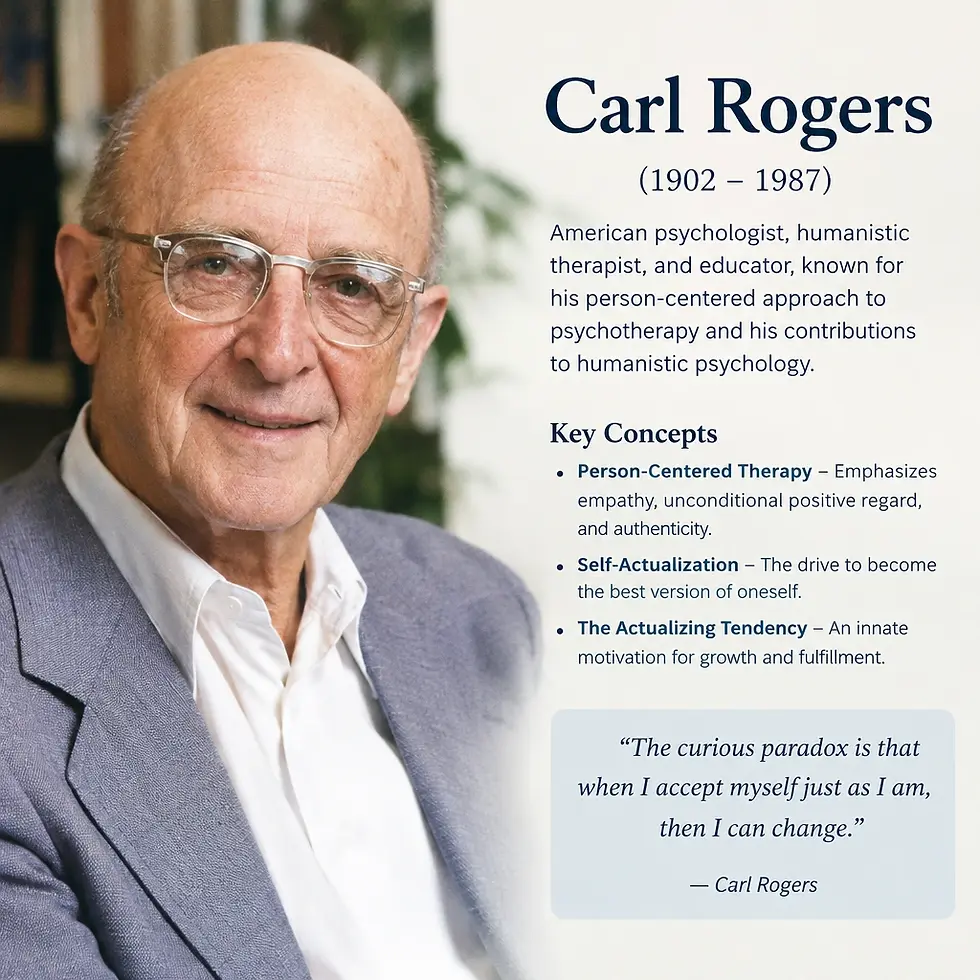
Carl Rogers, a prominent psychologist, emphasized the importance of empathy and understanding in communication. His person-centered approach laid the foundation for many active listening techniques we use today.
Key Contributions of Carl Rogers
Unconditional Positive Regard
Rogers believed that individuals should be accepted without judgment. This principle encourages open communication and fosters a safe environment for sharing.
Empathy
Rogers emphasized the importance of understanding another person's perspective. This aligns closely with active listening, as it requires genuine engagement with the speaker's feelings.
Authenticity
Being genuine in your responses is crucial for effective communication. Rogers advocated for authenticity in relationships, which enhances trust and connection.
Conclusion
Active listening is an invaluable skill that can enhance your personal and professional relationships. By implementing techniques inspired by Carl Rogers, such as reflective listening, open-ended questions, and empathetic responses, you can create a more meaningful and engaging communication experience.
Remember, the key to active listening is not just about hearing words but truly understanding the emotions and intentions behind them. Start practicing these techniques today, and watch your conversations transform into deeper, more fulfilling exchanges.
Take the next step in your communication journey by actively listening to someone today. You might be surprised at the connections you can build and the insights you can gain.
Comments