Creating Safe Spaces for Honest Conversations

Updated: 1 day ago
In today's fast-paced world, the need for open and honest conversations has never been more critical. Whether in personal relationships, community settings, or workplaces, creating safe spaces where individuals feel comfortable expressing their thoughts and feelings can lead to deeper connections and understanding. This blog post explores the importance of these safe spaces and provides practical strategies for fostering them in various environments.
Understanding Safe Spaces
Safe spaces are environments where individuals can share their thoughts, feelings, and experiences without fear of judgment or backlash. These spaces encourage open dialogue and promote inclusivity, allowing people to express themselves authentically.
The Importance of Safe Spaces
Encouraging Vulnerability: When individuals feel safe, they are more likely to share their true feelings and experiences. This vulnerability can lead to stronger relationships and a greater sense of community.
Fostering Inclusivity: Safe spaces are essential for marginalized groups who may feel silenced or overlooked in traditional settings. By creating an inclusive environment, we can ensure that all voices are heard and valued.
Promoting Mental Well-being: Open conversations can alleviate stress and anxiety. When people feel heard, they are more likely to experience improved mental health and emotional resilience.
Creating Safe Spaces in Different Contexts
In Personal Relationships
Creating a safe space in personal relationships is crucial for fostering trust and intimacy. Here are some strategies to consider:
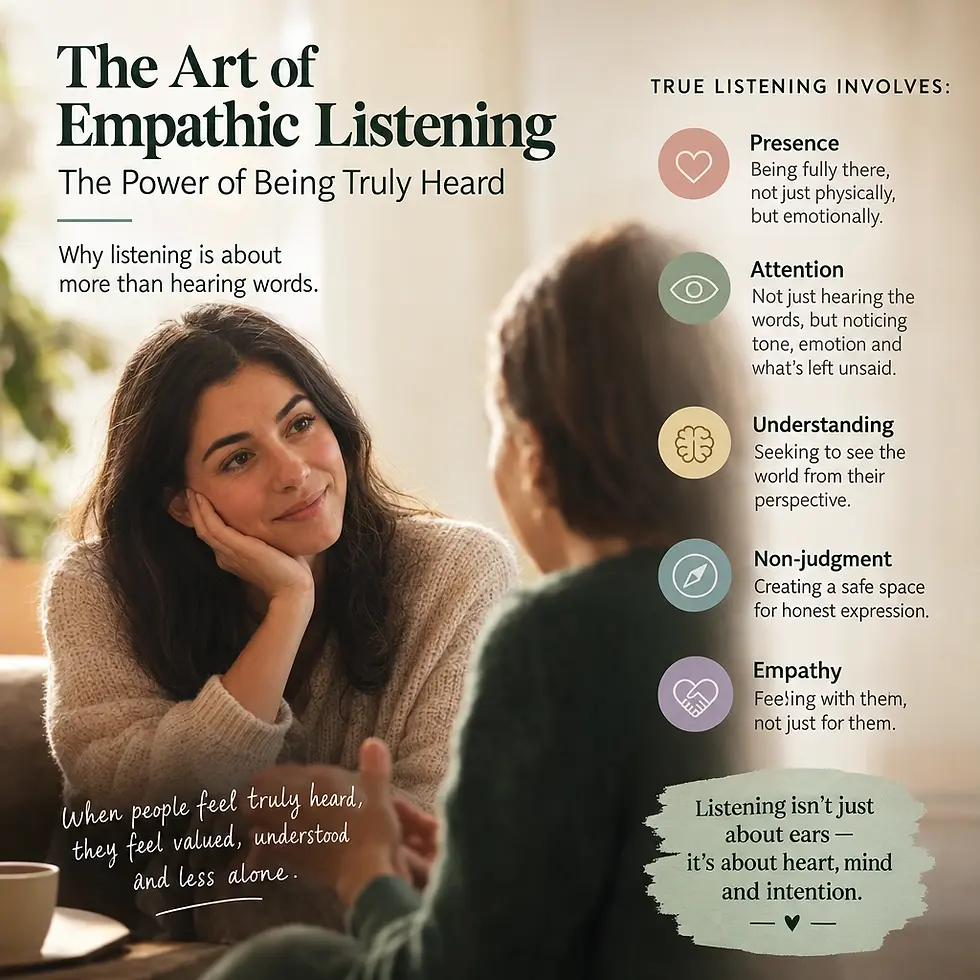
Active Listening: Show genuine interest in what your partner is saying. Use verbal and non-verbal cues to demonstrate that you are engaged in the conversation.
Non-Judgmental Attitude: Approach discussions with an open mind. Avoid making snap judgments or jumping to conclusions, as this can discourage honest sharing.
Set Boundaries: Establish clear boundaries about what is acceptable in conversations. This helps both parties feel secure and respected.
In Community Settings
Communities thrive when members feel safe to express their thoughts and concerns. Here are ways to create safe spaces in community settings:
Facilitate Open Forums: Organize regular meetings where community members can voice their opinions and share experiences. Ensure that these forums are structured to promote respectful dialogue.
Encourage Diverse Perspectives: Invite individuals from various backgrounds to share their stories. This diversity enriches conversations and fosters understanding among community members.
Provide Resources: Offer resources such as counseling or support groups for those who may need additional help navigating difficult conversations.
In Educational Environments
Schools and educational institutions play a vital role in shaping future generations. Here’s how to create safe spaces in these settings:
Implement Anti-Bullying Policies: Establish clear policies against bullying and discrimination. Ensure that students know they can report incidents without fear of retaliation.
Teach Empathy and Respect: Incorporate lessons on empathy and respect into the curriculum. Encourage students to consider different perspectives and understand the impact of their words and actions.
Create Support Groups: Establish support groups for students who may feel marginalized. These groups can provide a safe space for sharing experiences and building connections.
Practical Tips for Facilitating Honest Conversations
Creating a safe space is only the first step; facilitating honest conversations is equally important. Here are some practical tips:
Use Open-Ended Questions: Encourage deeper discussions by asking open-ended questions. This invites individuals to share more than just yes or no answers.
Practice Reflective Listening: Repeat back what you’ve heard to ensure understanding. This shows that you value the speaker’s perspective and are engaged in the conversation.
Be Mindful of Body Language: Non-verbal cues can significantly impact how messages are received. Maintain eye contact and use open body language to convey support and understanding.
Challenges in Creating Safe Spaces
While the benefits of safe spaces are clear, there are challenges to consider:
Resistance to Change: Some individuals may resist the idea of creating safe spaces, viewing them as unnecessary or overly sensitive. It’s essential to communicate the value of these spaces effectively.
Fear of Conflict: Honest conversations can sometimes lead to conflict. It’s crucial to establish ground rules for discussions to manage disagreements respectfully.
Cultural Differences: Different cultures may have varying views on communication styles. Being aware of these differences can help facilitate more effective conversations.
Conclusion
Creating safe spaces for honest conversations is essential for fostering understanding, trust, and community. By implementing practical strategies in personal relationships, community settings, and educational environments, we can encourage open dialogue and inclusivity. Remember, the goal is to create an environment where everyone feels valued and heard.
As you embark on this journey, consider how you can contribute to creating safe spaces in your own life. Start small, engage in meaningful conversations, and watch as connections deepen and understanding flourishes.


Comments